Ultimate Wash Basin Guide Everything You Need to Know About Wash Basins
A wash basin is one of those home fixtures most of us use every day without giving it much thought—until we renovate, redesign, or replace it. Whether you’re refreshing your bathroom, upgrading your kitchen area, or simply exploring what suits your space best, this comprehensive Wash Basin article gives you real, verified insights, practical tips, design ideas, and expert considerations.
In this article you’ll find clear explanations, short paragraphs for readability, and reliable guidance without fluff. Every key point here is based on trusted sources and widely accepted home design standards. Let’s dive in.
What Is a Wash Basin?
A wash basin is a manually operated fixture designed primarily for handwashing, face washing, brushing teeth, and other light personal hygiene tasks. It usually features a bowl shape with a drain and is paired with a faucet or taps. Unlike kitchen sinks that handle heavy-duty use like dishwashing and food preparation, wash basins are smaller, shallower, and tailored for bathrooms or powder rooms.
Think of it as your daily cleanliness station—small in size but big in importance.
Why Material Matters
Wash basins are made from several materials, each with its own strengths and considerations. Choosing the right material helps with durability, aesthetic value, maintenance, and overall user experience.
Ceramic
Ceramic is the most common material for wash basins thanks to its strong resistance to scratches and stains. It’s easy to clean, affordable, and available in many designs. These qualities make it a reliable choice for most households.
Porcelain
Porcelain is similar to ceramic but often has a finer, smoother finish. It tends to look more elegant and can be more resistant to chipping. The trade‑off sometimes lies in higher cost.
Stainless Steel
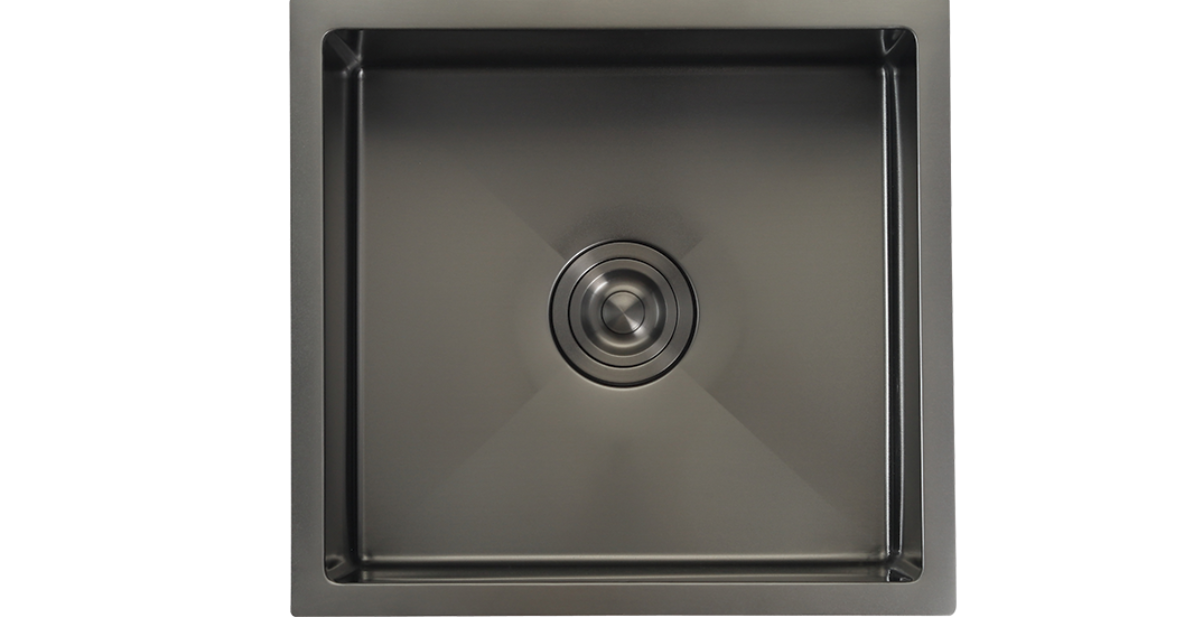
Stainless steel is durable, corrosion‑resistant, and easy to clean. It’s more common in kitchen wash basins or modern minimalist bathrooms. While it may show water spots more easily, it’s still a practical choice.
Glass
Glass wash basins add a modern, striking look to bathrooms. They are smooth and easy to wipe down, but require careful handling because they can show water marks and are slightly more delicate.
Stone or Marble
Stone basins provide a luxurious and unique appearance with natural textures. They often require more maintenance to preserve their natural finish but add a high‑end visual appeal.
Types of Wash Basins You’ll Encounter
Wash basins come in multiple styles and installation formats to match your space, plumbing layout, and design preference.
Wall‑Hung Basins
These are fixed directly on the wall, saving floor space and creating a sleek, modern look. Great for smaller bathrooms.
Pedestal Basins
Pedestal basins include a pedestal stand under the bowl, concealing plumbing and creating a classic bathroom look. They work well in traditional or family bathrooms.
Countertop/Above Counter Basins
These basins sit on top of counters or vanities and require a surface beneath them. They offer storage space below and a contemporary feel.
Semi‑Recessed Basins
Partially recessed into a counter or vanity, semi‑recessed basins combine a sleek look with thoughtful space use.
Corner Basins
Ideal for small bathrooms where every centimeter matters, corner basins help maximize space without looking awkward.
How to Choose the Right Wash Basin
Choosing a wash basin isn’t random or instinct‑based. You need to think about space, usage patterns, material, and design goals.
1. Understand Your Space
Measure your bathroom. Small bathrooms benefit from wall‑hung or corner basins, while larger spaces can accommodate countertop or double basins.
2. Consider Functionality
If a basin is used heavily (like in a family bathroom or guest bathroom), choose durable materials like ceramic or porcelain. For light use areas or guest powder rooms, stylish materials like glass might shine.
3. Set a Budget
Basins range from budget‑friendly ceramic options to high‑end stone or custom styles. Set a realistic budget to avoid overspending on features you don’t need.
4. Maintenance and Cleaning
Ceramic and porcelain are easiest to keep clean. Stone needs periodic sealing, and stainless steel may need regular wiping to avoid water spots.
5. Aesthetic Match
Choose a basin that matches your bathroom’s design. Modern bathrooms may benefit from sleek countertop basins, while traditional bathrooms suit pedestal models.
Trends and Design Ideas
Wash basins are no longer just functional items. They contribute to overall interior design and can even become focal points.
Statement Styles
Bold colors, unusual shapes, or artistic glass basins can add flair to minimalist bathrooms.
Touchless Features
For a more hygienic experience, some modern basins offer touchless faucets or integrated sensor tech. These reduce cross‑contamination.
Eco‑Friendly Options
Materials like recycled glass or sustainable composites are gaining popularity for eco‑conscious designs.
Installation Basics (No Plumbing Surprise)
Installing a wash basin involves a few critical steps that affect long‑term satisfaction:
-
Plumbing Compatibility: Check existing plumbing layout to make sure your chosen basin fits without costly repositioning.
-
Secure Mounting: Wall‑hung or pedestal basins must be anchored correctly. Improper installation can lead to leaks or wobbling.
-
Proper Drain Setup: The drain should match the basin’s design and allow easy cleaning access.
Pro tip: Always consider professional installation unless you have clear plumbing experience.
Wash Basin Mistakes to Avoid
Even a well‑designed basin can feel like a misstep if you overlook these common mistakes.
Too Big for the Space
Oversized basins overcrowd small bathrooms and make cleaning harder. Always measure first.
Choosing Material Based on Looks Only
Glass may look stylish, but if it’s a kids’ bathroom, durability matters more.
Ignoring Maintenance Needs
Some materials require more care. Stone basins look luxurious but need more upkeep than ceramic.
Quick Comparison: Basin Materials at a Glance
| Material | Durability | Ease of Cleaning | Style Level | Best For |
|---|---|---|---|---|
| Ceramic | High | Very Easy | Classic | Most Bathrooms |
| Porcelain | High | Easy | Elegant | Residential |
| Stainless Steel | Very High | Easy | Modern | Kitchen or Contemporary |
| Glass | Moderate | Moderate | Stylish | Design‑Focused |
| Stone/Marble | High | Medium | Luxurious | High‑End Spaces |
This quick table helps you weigh material benefits when shopping.
Final Thoughts
Selecting a wash basin might seem simple, but it’s a decision rooted in balance—between form and function, aesthetics and practicality. By understanding materials, types, space requirements, maintenance needs, and design goals, you can choose a wash basin that not only looks great but performs well for years.
Remember, the best wash basin is not just the most expensive or stylish one—it’s the one that fits your lifestyle, complements your space, and feels like a seamless part of your daily routine.
Our More Pages
https://medium.com/@rubinesingapore/basin-singapore-a-complete-guide-to-choosing-the-perfect-basin-for-your-space-ac46fb0b9cda
https://medium.com/@rubinesingapore/toilet-bowl-singapore-a-complete-guide-to-choosing-the-right-toilet-for-your-home-832847af7589
https://justpaste.it/j6hfa
https://justpaste.it/mb2r5
https://rubinesingapore.livepositively.com/water-heater-singapore-your-complete-guide-to-choosing-the-best-solution